Analyzing Trends in Local Performance Art
As community engagement continues to evolve, local performance art is becoming a vital aspect of social interactions. This article explores current trends in performance art, enabling organizers and attendees to understand its impact and significance in the U.S.
Understanding the Basics of Performance Art
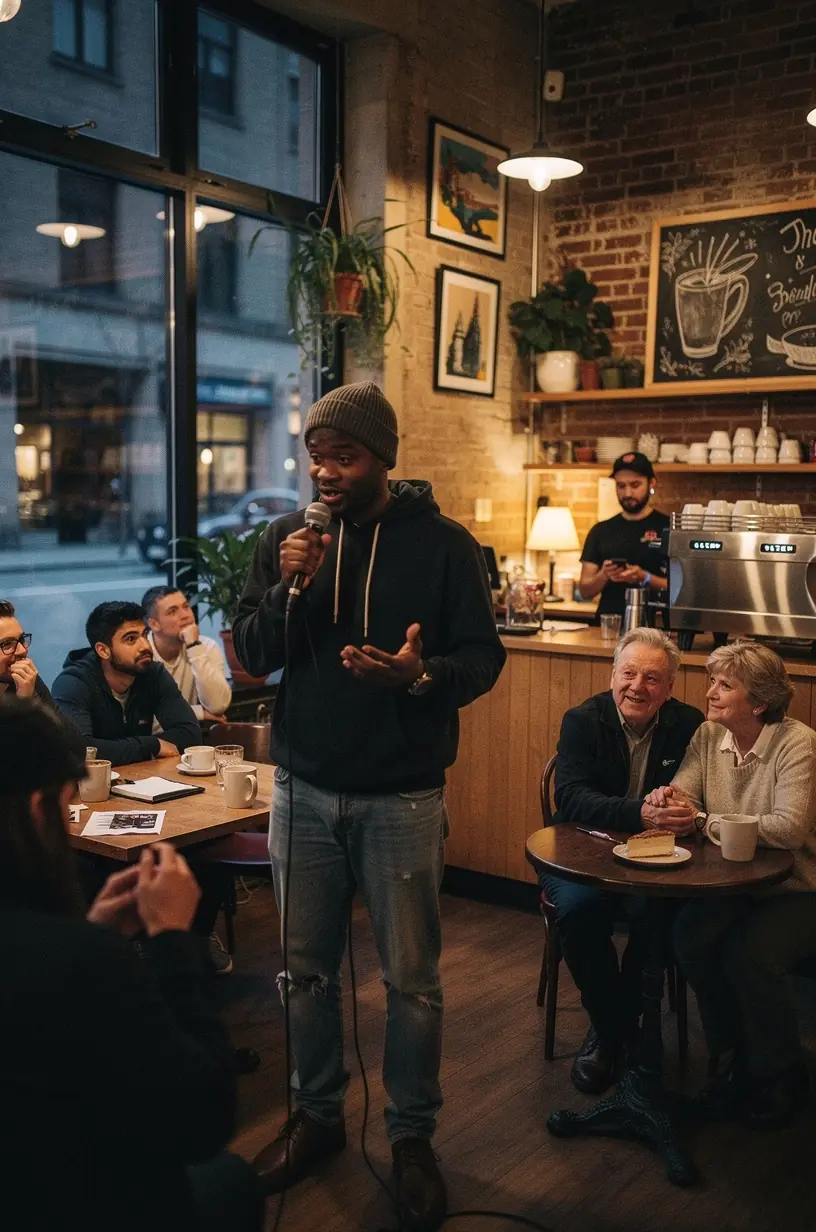
Performance art is a dynamic form of artistic expression that often combines various elements such as theater, dance, and visual arts. According to industry experts, this art form serves as a platform for artists to communicate messages and provoke thought through live presentations. The rise of performance art can be attributed to its accessibility and the intimate connection it fosters between artists and audiences. In most cases, these events take place in informal settings, which often leads to a more engaging experience.
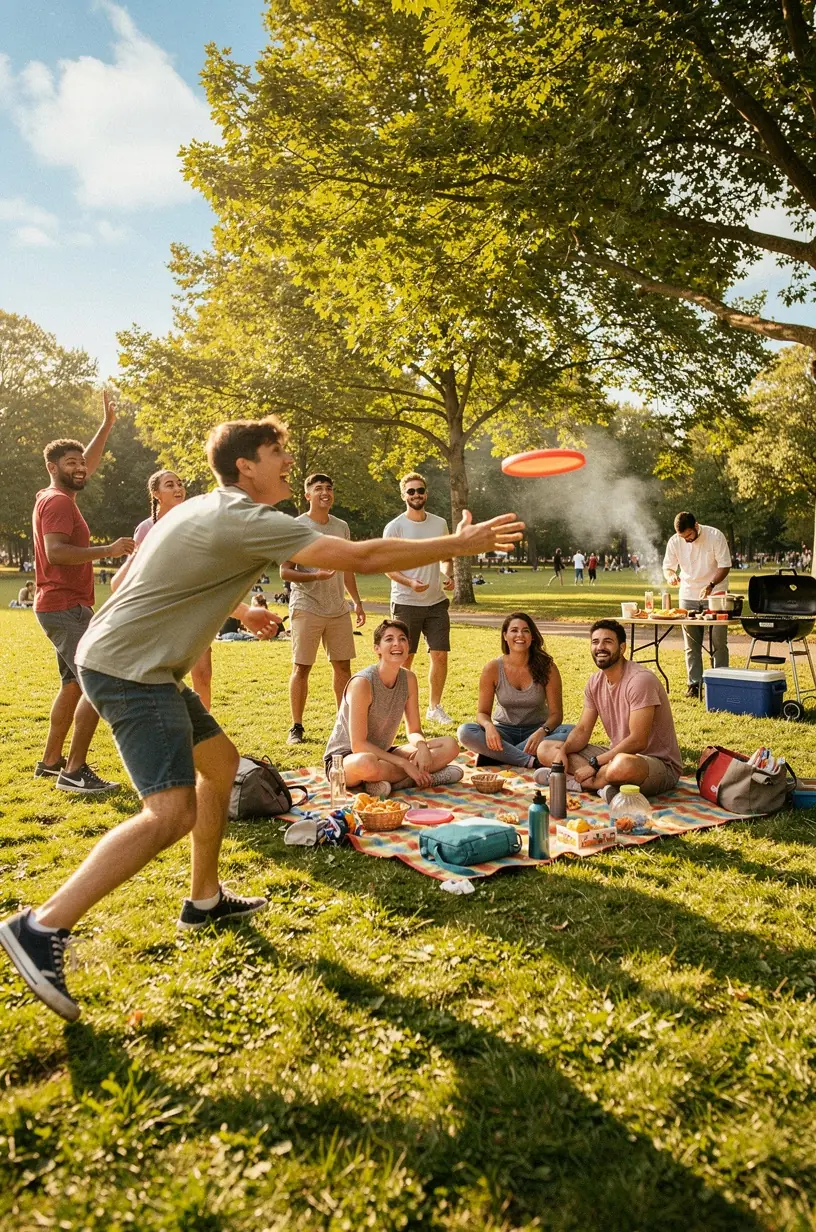
"Performance art challenges traditional boundaries and invites audiences to partake in the experience." - Dr. Susan Miller, Arts Research Scholar
Current Trends Shaping Local Performance Art
Several trends are becoming increasingly prevalent in local performance art, reflecting societal changes and technological advancements. Here are a few key observations:
- Interdisciplinary Collaboration: Many performance artists are collaborating with musicians, poets, and visual artists to create multifaceted experiences. This trend often results in unique events that attract diverse audiences.
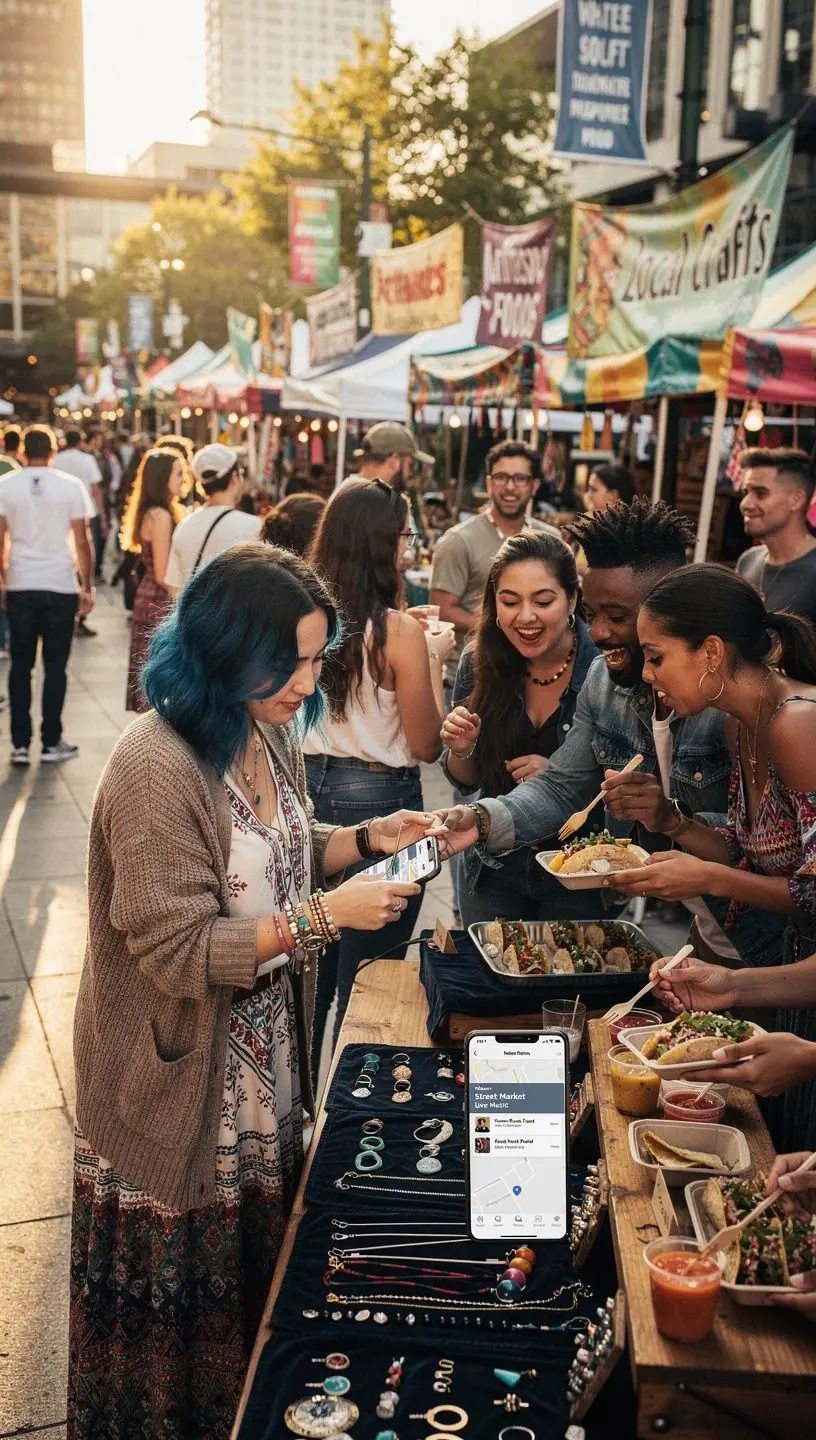
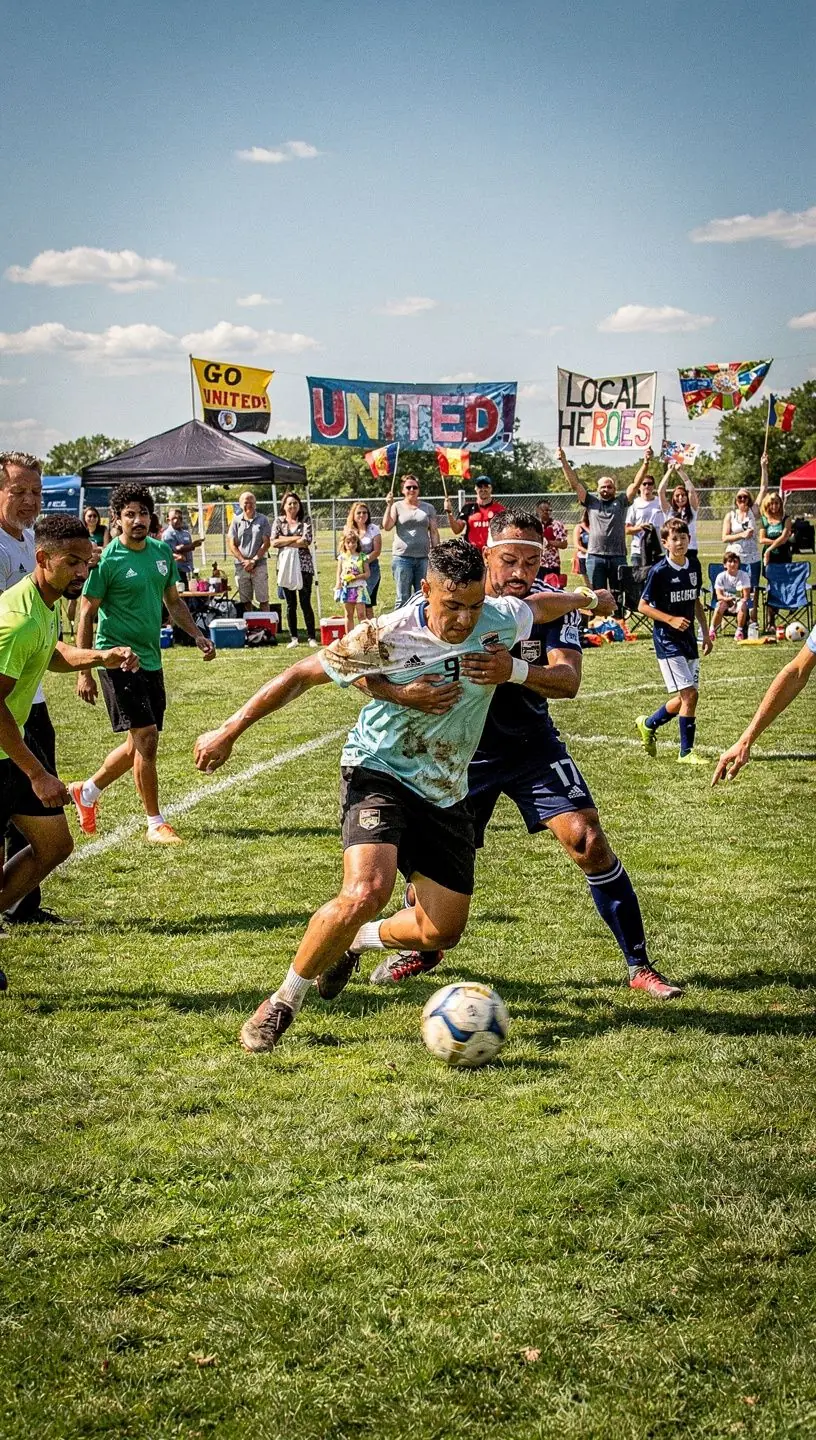
- Community-Centric Events: There is a noticeable shift towards performances that engage local communities. Artists are often encouraging participation, making the audience integral to the art form.
- Utilization of Technology: The integration of digital media and social platforms is gaining traction. Artists are utilizing social media to promote their performances, create virtual experiences, and reach wider audiences, especially post-pandemic.
The Role of Community in Performance Art
Community involvement is crucial for the success and sustainability of performance art. Studies indicate that when communities are actively engaged, attendance and participation typically increase. This engagement can be achieved through:
- Workshops and Classes: Offering educational programs helps build community interest and introduces new audiences to performance art. Many organizations report that these initiatives not only foster skills but also create a supportive environment for local artists.
- Feedback and Collaboration: Encouraging feedback from the audience can help artists refine their work. Collaborative projects often yield innovative ideas that resonate more deeply with community members.
- Accessibility and Inclusivity: Making performances accessible to all, including diverse cultural backgrounds and abilities, is essential. Experts suggest that this inclusivity not only enhances the audience experience but also enriches the art form itself.
Conclusion
As trends in local performance art continue to evolve, understanding the dynamics of community involvement, technology, and interdisciplinary collaboration is essential for both artists and organizers. By acknowledging these factors, communities can foster a vibrant performance art scene that reflects their values and engages a wider audience. As always, aspiring organizers and participants should approach these events with realistic expectations, recognizing that meaningful engagement typically requires time, effort, and openness to diverse perspectives.
Learn More