Creating Inclusive Spaces for All Attendees
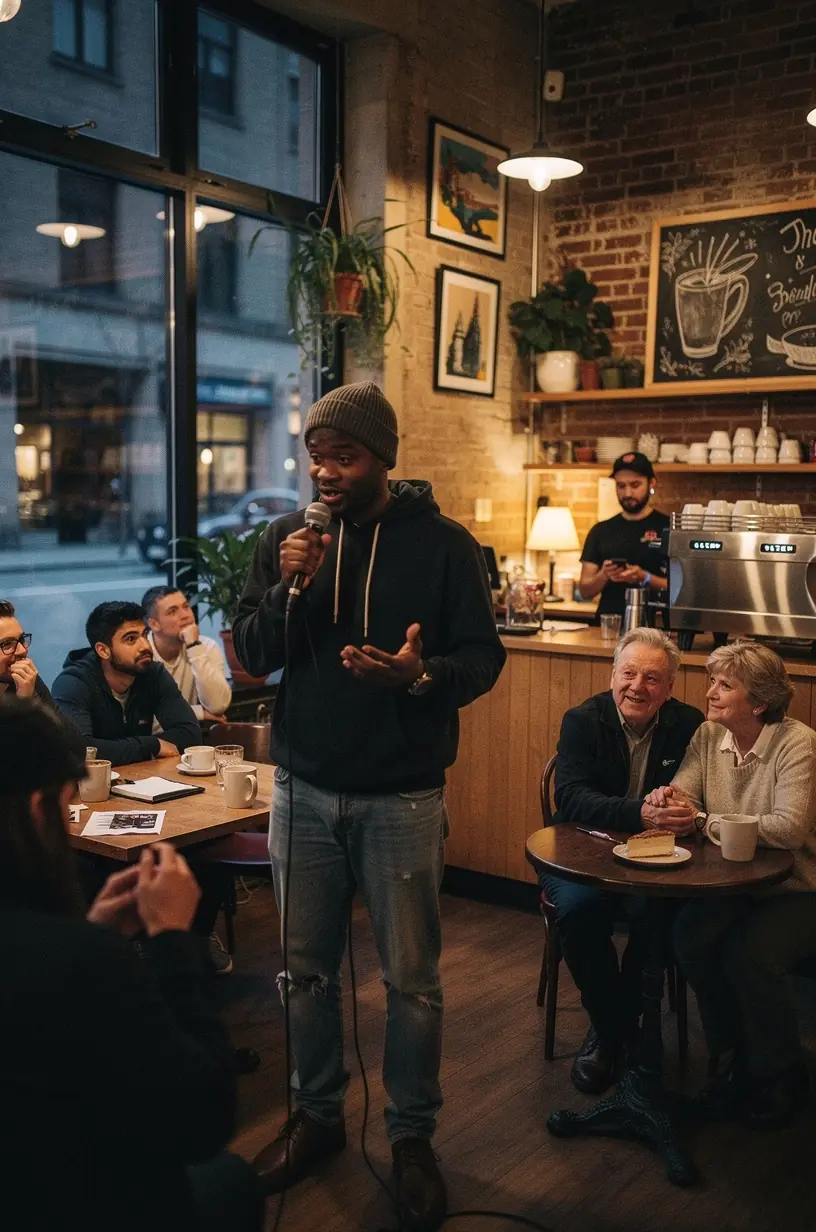
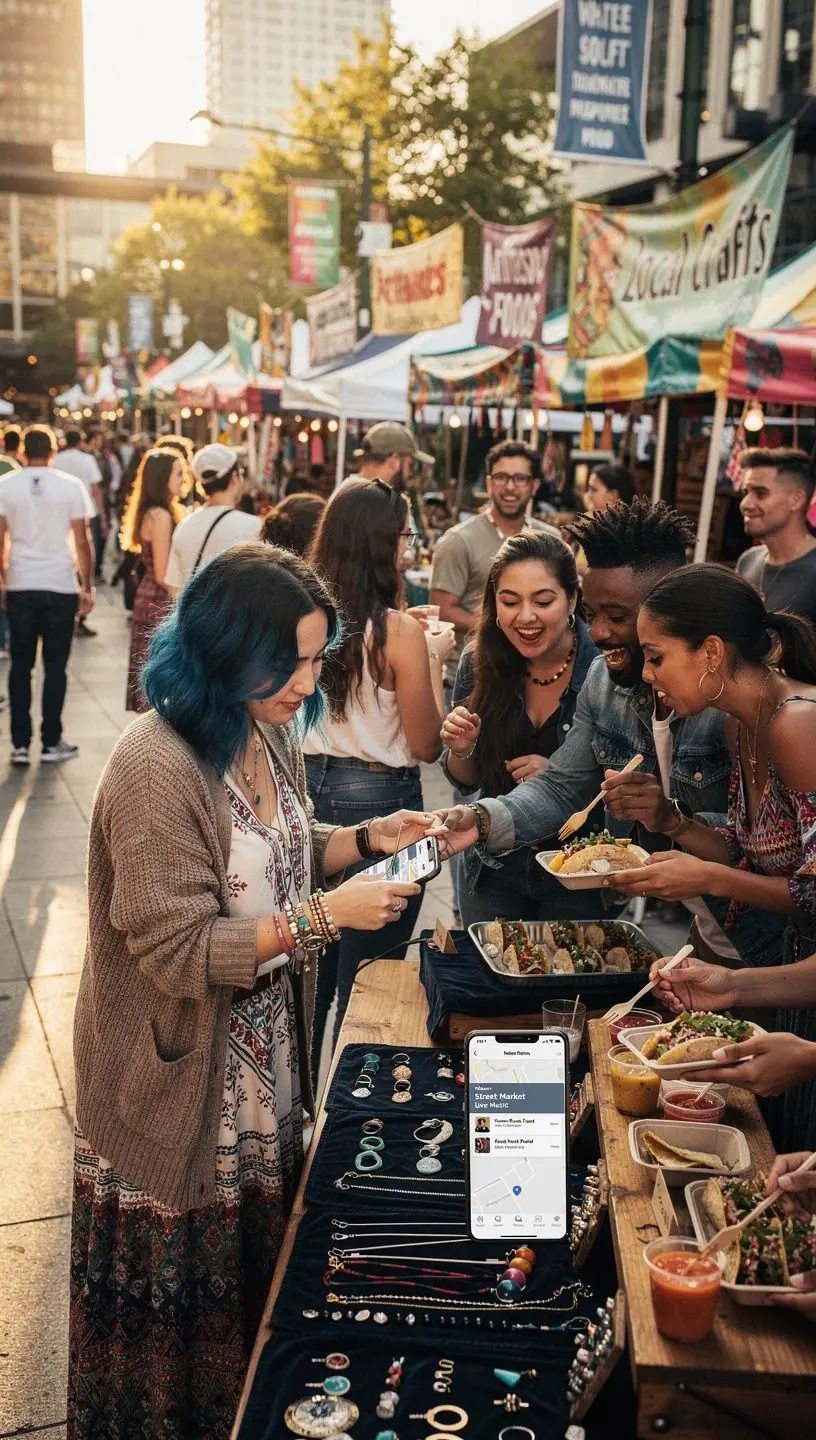
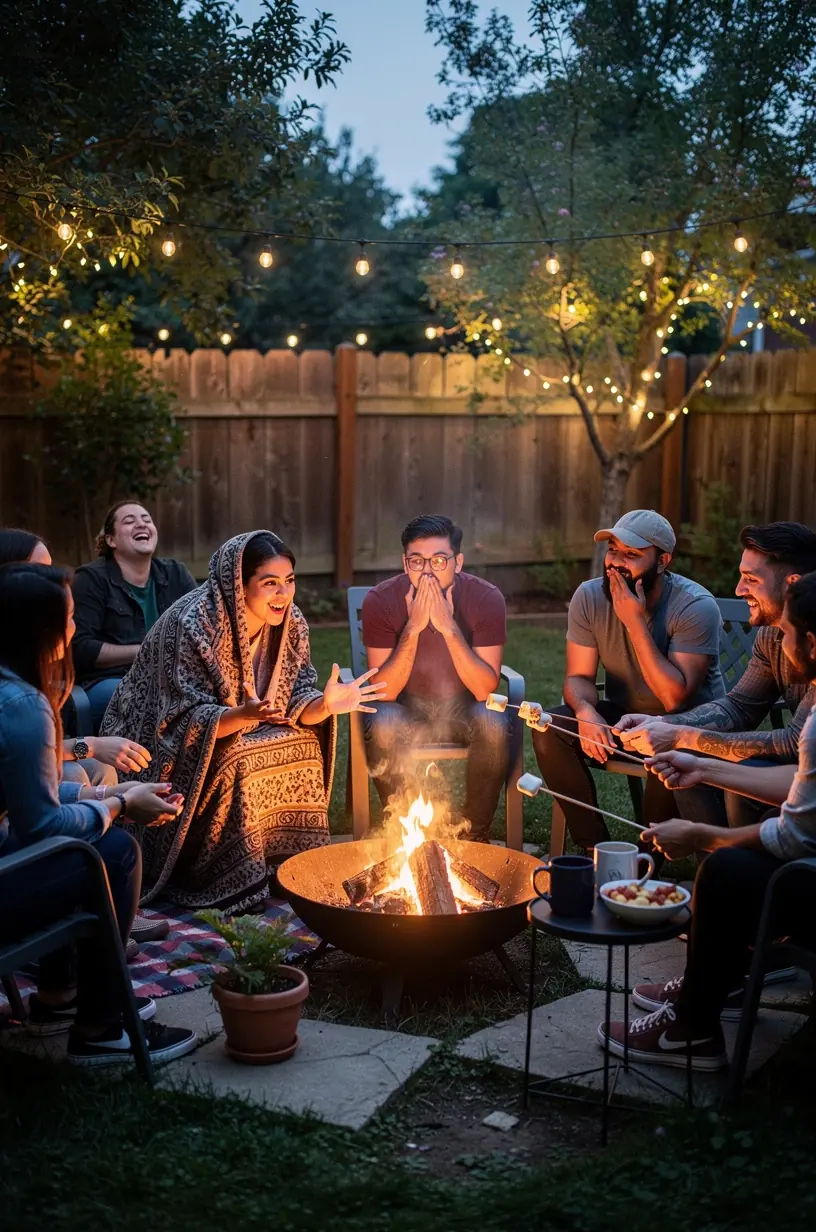
As social activities and events become increasingly popular in the U.S., the importance of creating inclusive spaces for all attendees cannot be overstated. This article explores effective strategies to ensure everyone feels welcome and engaged.
Understanding the Basics of Inclusivity
Creating inclusive spaces begins with understanding the diverse needs of potential attendees. Studies show that events designed with accessibility in mind typically see higher attendance and greater engagement. According to the National Arc, approximately 1 in 4 adults in the U.S. have some form of disability, indicating a substantial segment of the population that events must accommodate.
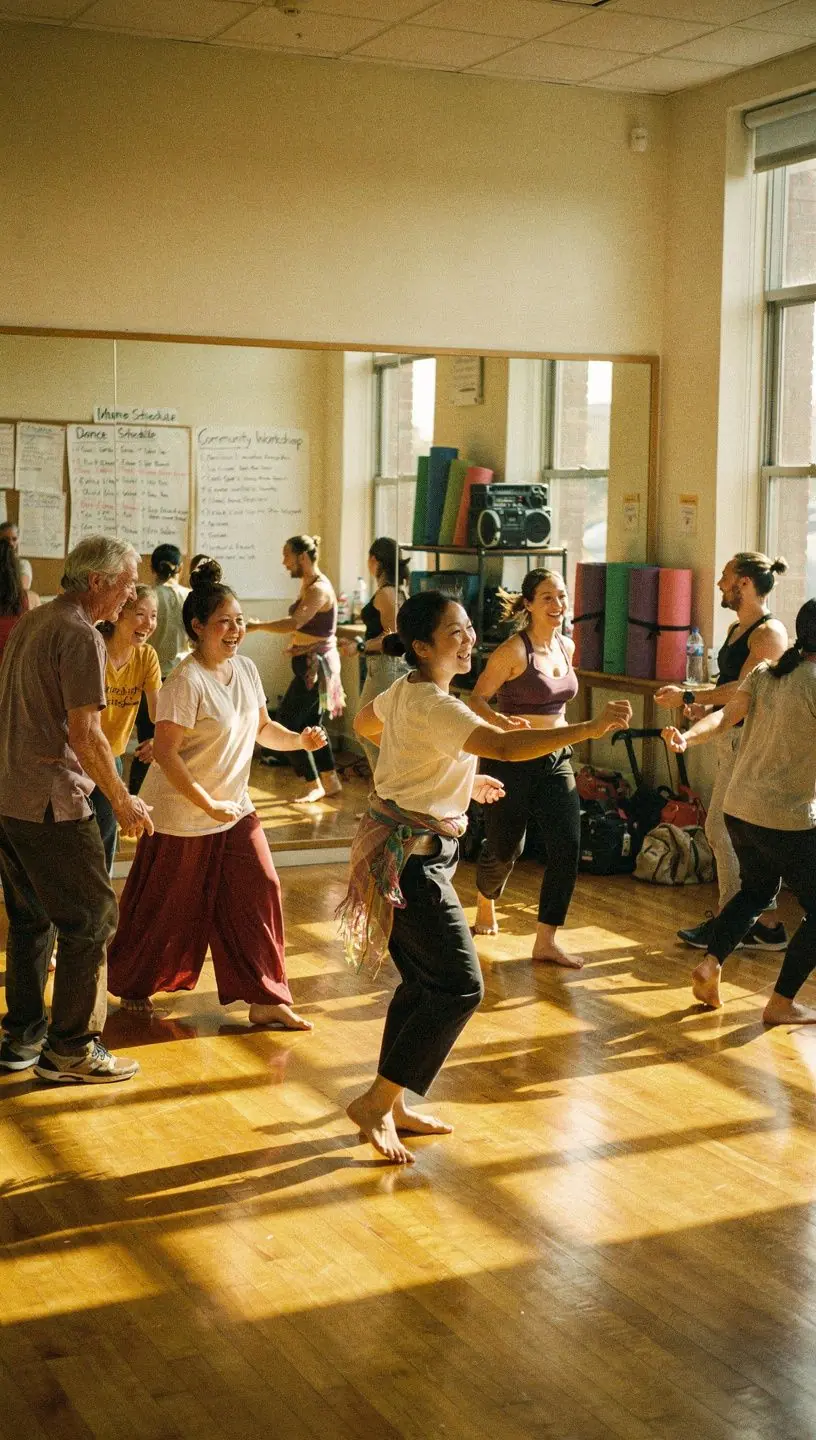
"Inclusivity is about more than just physical access; it's about making every participant feel valued and engaged." - Accessibility Expert
Key Strategies for Creating Inclusive Events
- Plan for Accessibility: Ensure venues are wheelchair accessible and provide necessary accommodations like sign language interpreters. According to the Americans with Disabilities Act (ADA), accessible features are not just recommended; they are often legally required.
- Foster a Welcoming Environment: Utilize signage that is clear and easy to read. Providing materials in various formats can help, as many users report that diverse options enhance their experience.
- Engage Diverse Voices: Include individuals from various backgrounds in the planning process. Research indicates that events are more successful when they reflect the diversity of the community they serve.
Challenges and Considerations
It’s crucial to acknowledge that creating an inclusive space often requires dedicated effort and time. For instance, planning might typically take 2-4 weeks longer than standard event preparation, as it involves careful coordination with various stakeholders to meet diverse needs. Moreover, developing a genuinely inclusive atmosphere can involve a learning curve, particularly for organizers who may not have previous experience in this area.
Conclusion
In summary, creating inclusive spaces for all attendees is not just good practice; it is essential for fostering a vibrant community atmosphere. By implementing strategies that prioritize accessibility and engagement, event organizers can ensure that everyone feels welcome. This approach may require additional time and effort but ultimately leads to richer, more rewarding experiences for all involved.